📊 GTA Real Estate Weekly:
Hot Market Highlights!"🚨 GTA Housing “Reset” Didn’t Bring Buyers Back 🏡📉"🏡📉 GTA housing prices cooled from the peak…
📊 Inventory rose… and yet buyers still didn’t return in force. 🤔❌
Why? Because 2025 wasn’t a “rebound” year — it was a confidence crisis 🧠⚠️.
In this 🎙️ podcast-style breakdown, we connect the dots 🔍 between TRREB market stats 📈,
the true cost of ownership 💸, and the 2026 budget squeeze ⏳💰 that’s keeping buyers on the sidelines 🚧.
You’ll learn: ✅ Why lower prices didn’t translate into higher sales
✅ How rising listings shifted leverage toward buyers
✅ Why “monthly carrying cost” matters more than sticker price
✅ The looming 2026 mortgage renewal shock (and what it could mean for households)
✅ What buyers, homeowners, and investors should watch next in the GTA market Limited Technical Knowledge and Experience
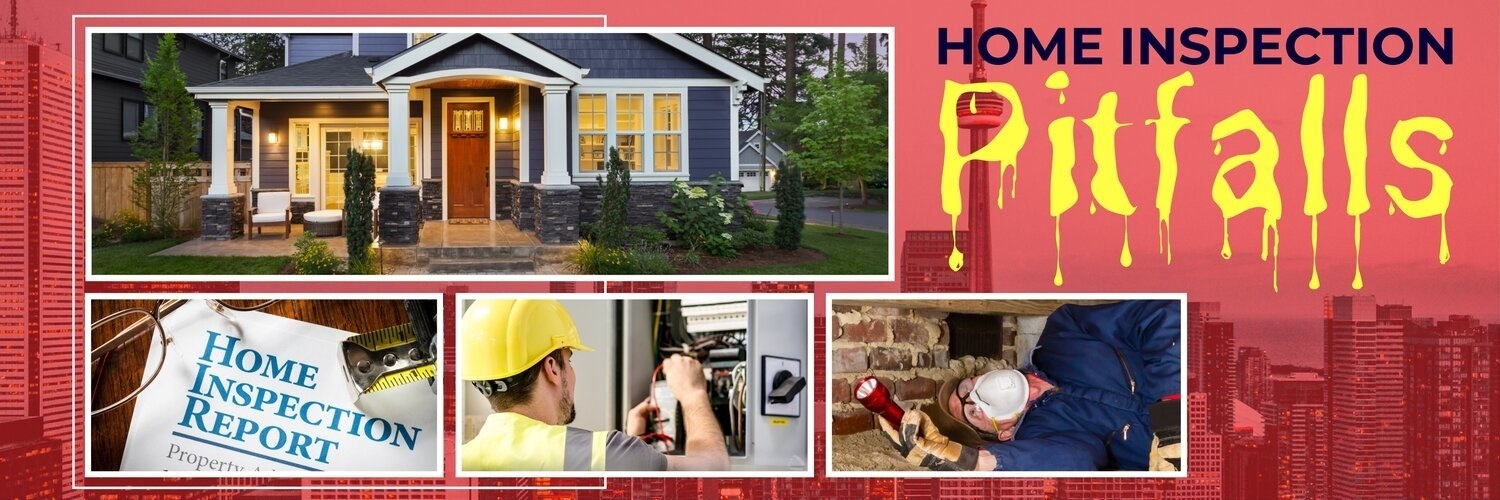
One of the biggest unspoken pitfalls of relying solely on a DIY home inspection is the lack of professional training. Many serious defects—such as foundation movement, structural fatigue, outdated wiring, or concealed plumbing failures—require experienced interpretation. In Toronto and the GTA, where homes range from century-old construction to modern infill builds, understanding how different eras of construction age and fail is critical. Hidden Issues That Are Easy to Miss
DIY inspections are typically visual and surface-level. Problems such as moisture intrusion behind walls, attic ventilation issues, aluminum wiring, knob-and-tube remnants, or early-stage mould growth are often invisible without specialized tools and trained observation. These hidden issues can later result in significant repair costs that buyers did not budget for. Emotional Bias and Wishful Thinking
Buyers inspecting a home themselves are often emotionally invested, which can unintentionally cloud judgment. This attachment can lead to minimizing red flags, rationalizing defects, or overlooking warning signs simply because the property feels like “the one.” Emotional bias is especially risky in competitive Toronto markets where urgency already pressures decision-making. Lack of Awareness of Local Building Standards and Aging Infrastructure
Toronto homes frequently include older materials, unique additions, or renovations completed under past building codes. Without knowledge of local construction standards, permit history, or expected system lifespans, buyers may underestimate the seriousness of aging roofs, outdated drainage systems, or unpermitted renovations that could trigger future compliance or insurance issues. No Professional Report or Legal Safeguards
DIY inspections provide no formal documentation, third-party verification, or professional liability coverage. A certified home inspector’s report can be used to support negotiations, plan future repairs, or provide clarity in disputes. Without it, buyers assume full risk if major defects surface after closing. Missed Negotiation and Budgeting Opportunities
A professional inspection often uncovers deficiencies that allow buyers to renegotiate price, request repairs, or walk away confidently. DIY inspections frequently miss these leverage points, leaving buyers with fewer options and unexpected post-purchase expenses that could have been anticipated. Conclusion
While DIY home inspections may appear to save money upfront, they often expose buyers to far greater financial and emotional risk. Limited expertise, emotional bias, lack of tools, and absence of professional documentation can result in costly surprises after closing. In a complex and diverse housing market like Toronto, relying solely on a DIY inspection can compromise both confidence and long-term financial security, making professional inspections a prudent and protective investment. "🔥Toronto Real Estate: Hot News & Trends 🏡"
|

















No comments:
Post a Comment